Why You’ll Love these Perfect Hard Boiled Eggs
Look, I know what you’re thinking—hard boiled eggs are boring, right? Wrong.
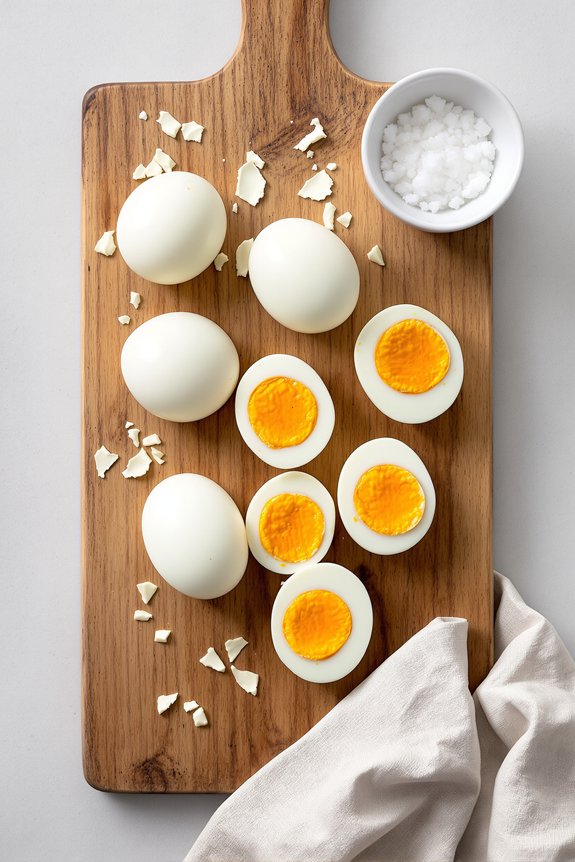
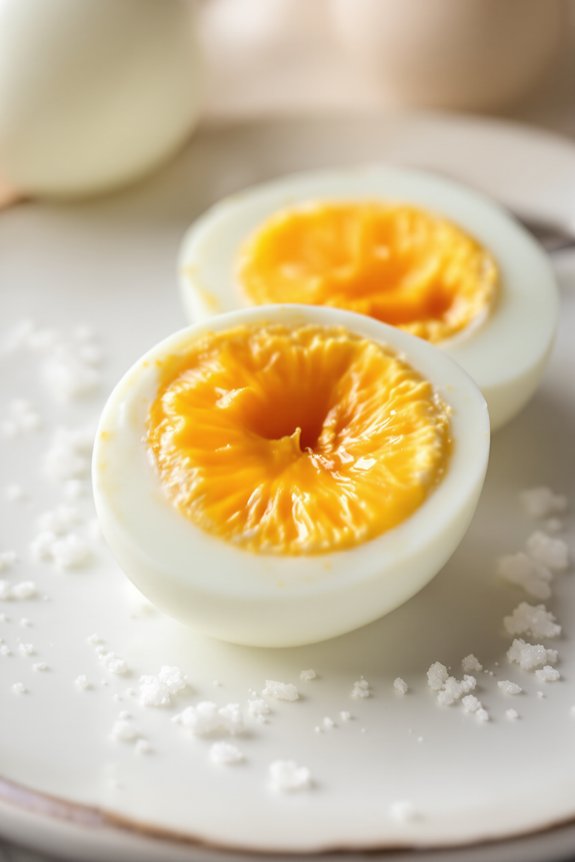
These eggs are basically foolproof, which means no more rubbery whites or that weird green ring around the yolk. You’ll get perfect, creamy centers every single time.
And the peeling? Actually easy for once. No more picking off tiny shell fragments while muttering under your breath.
Plus, they’re crazy versatile—toss them in salads, make deviled eggs, or just eat them with a sprinkle of salt.
They’re protein-packed, meal-prep friendly, and honestly, kind of life-changing once you nail the technique.
What Ingredients are in Perfect Hard Boiled Eggs?
Okay, so here’s the thing about hard boiled eggs—the ingredient list is almost hilariously simple.
Like, you probably already have everything you need right now, which is kind of the beauty of this whole situation. We’re not talking about some fancy French technique with seventeen ingredients you can’t pronounce. Just eggs, water, and maybe a little salt if you’re feeling adventurous. That’s it. That’s the whole deal.
Ingredients:
- 6-12 eggs (however many you want, really)
- 8 cups water (or enough to cover the eggs)
- 1 dash salt (totally optional, but some people swear by it)
Now, about those ingredients. The eggs themselves can be any size you want—large, extra-large, medium, whatever’s hanging out in your fridge.
Some people say older eggs peel better than super fresh ones, which seems backwards but actually makes sense because the pH changes over time and the membrane loosens up a bit.
The water amount isn’t exactly rocket science either—you just need enough to cover the eggs by about an inch or so.
And that salt? Honestly, it’s debatable whether it does anything at all. Some folks claim it helps with peeling, others say it prevents cracking, but between you and me, I think it’s mostly superstition.
Doesn’t hurt though, so throw it in if you want.
How to Make these Perfect Hard Boiled Eggs
Alright, so the actual process here is almost embarrassingly straightforward, which is great news if you’re like me and sometimes forget what you’re doing halfway through a recipe.
First things first, grab those 6-12 eggs and put them in a pot. Not a tiny pot where they’re all crammed in there like they’re on a rush hour subway, but something with a little breathing room. Then fill the pot with about 8 cups of water—or really, just enough water to cover the eggs completely. You want them submerged by about an inch, give or take. Toss in that 1 dash of salt if you’re feeling it, though honestly, this is the most optional step in the history of optional steps.
Now crank up the heat to high and bring the whole situation to a rapid boil. We’re talking aggressive bubbles here, not a gentle simmer situation.
Once you’ve got that rolling boil going, slap a lid on the pot, turn off the burner completely, and just walk away. I know, I know, it feels weird to turn off the heat when you’re still cooking something, but trust the process here. Let those eggs sit in the hot water on that warm burner for exactly 20 minutes. This is where the magic happens, where the residual heat does all the work while you scroll through your phone or stare blankly at your kitchen counter wondering what you’re going to do with twelve hard boiled eggs.
The beauty of this method is that you basically can’t overcook them into those sad, grey-ringed disasters because you’re not applying constant heat. If you’re looking to upgrade your cookware, a premium dutch oven works wonderfully for this method thanks to its superior heat retention.
After your 20 minutes are up, drain that water out, and here’s where you make a vital decision about your future self. You can either put the eggs back in their carton—assuming you didn’t throw it away like I always do—or toss them in a bowl. Either way, straight into the refrigerator they go.
Once they’re properly chilled, they’re ready to eat, and they should peel like an absolute dream because of the whole rapid-boil-then-coast method. The peel just slides right off instead of taking half the egg white with it, which is honestly the whole point of doing it this way in the first place.
Perfect Hard Boiled Eggs Substitutions and Variations
Now here’s the thing about hard boiled eggs—they’re pretty much perfect as they are, which means there’s not a whole lot of wiggle room for substitutions in the traditional sense.
I mean, you’ve got eggs and water, right? But you can definitely play around with variations.
Try adding a splash of vinegar to help with peeling, or toss in baking soda instead of salt. Some people swear by steaming instead of boiling.
Want fancy? Make tea eggs by cracking the shells and simmering them in soy sauce and spices. That’s where things get interesting.
What to Serve with Perfect Hard Boiled Eggs
How do you serve something as versatile as a hard boiled egg? I mean, honestly, the possibilities are kind of endless.
Slice them onto salads for instant protein, or mash them into egg salad with mayo and mustard. They’re perfect for deviled eggs, obviously, or you can just sprinkle them with salt and call it a snack.
I love adding them to ramen, toast, or grain bowls. They make breakfast sandwiches better, elevate potato salad, and work beautifully in a classic Cobb salad.
Basically, put them anywhere you need substance.
Final Thoughts
Look, I’m not going to pretend that boiling eggs is some kind of culinary achievement that’ll land you on a cooking show, but getting them right—with that creamy yolk and a shell that actually peels off without taking half the egg with it—feels like a small victory every single time.
The method’s straightforward: boil, cover, wait twenty minutes, chill. That’s it. No ice baths, no fancy techniques, just patience and a timer.
You’ll have perfect eggs ready for breakfast, snacks, or whatever else needs that protein boost. Worth the minimal effort, honestly.