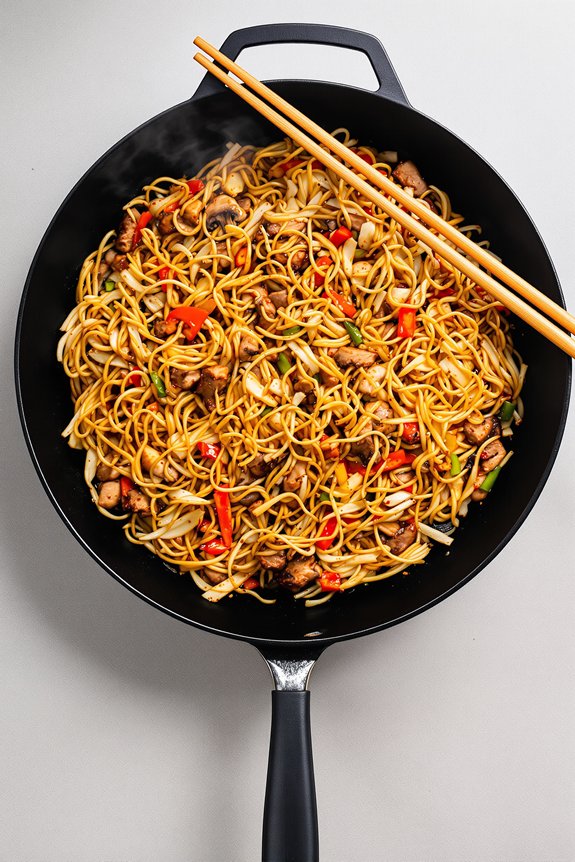
Why You’ll Love this Authentic Pad Thai
While most takeout versions leave you with a greasy container and buyer’s remorse, this Pad Thai actually tastes like the real deal—tangy, savory, and just sweet enough to keep you from ordering delivery ever again.
The sauce hits all the right notes without tasting like ketchup (looking at you, mediocre Thai restaurants), and the noodles stay perfectly slippery instead of clumping into one sad blob.
Plus, you control the heat level, the shrimp-to-noodle ratio, and whether you want extra peanuts. Because sometimes you need double peanuts. No judgment here.
It’s cheaper than takeout, tastier, and actually fun to make.
What Ingredients are in Authentic Pad Thai?
Getting your Pad Thai ingredients together is honestly half the battle, and the good news is that most of this stuff is way more accessible than you’d think.
Yeah, you might need to venture beyond aisle three at your regular grocery store, but it’s not like you’re hunting down ingredients that only exist in a Bangkok night market. The sauce is where the magic happens, and once you’ve got your pantry stocked, you’ll be making this on repeat.
For the Sauce:
- 6 tablespoons fish sauce
- 1/2 cup rice vinegar (unseasoned)
- 3 tablespoons tomato paste
- 1/2 cup sugar
For the Noodles and Everything Else:
- 8 ounces rice noodles (medium width)
- 2 eggs
- 2 1/2 tablespoons canola oil
- 5-6 garlic cloves, minced
- 1/4 cup baby carrots, julienned
- 4 ounces sliced mushrooms
- 5 green onions, chopped
- 1/2 lb boneless skinless chicken breast, cooked and cut into bite-size pieces
- 1/2 lb shrimp, cooked, peeled and deveined (thawed)
- 3/4 cup dry-roasted unsalted peanuts, coarsely chopped
- 4 ounces bean sprouts
- 1 lime, cut into wedges
- Crushed red pepper flakes
Now, about those ingredients. The rice vinegar needs to be unseasoned because the seasoned kind already has sugar and salt, which will throw off your whole sauce balance situation.
Fish sauce smells weird in the bottle, I’ll give you that, but it’s absolutely non-negotiable for authentic flavor. And those medium-width rice noodles, sometimes called “Pad Thai noodles” at the store, are perfect because they’re sturdy enough to handle all that stirring without turning to mush.
If you can’t find baby carrots or don’t feel like julienning them, regular carrots work fine, just slice them thin. The peanuts should be unsalted because, again, we’re controlling the salt levels ourselves here, and nobody needs accidentally oversalted Pad Thai ruining their dinner plans.
Recommended Products
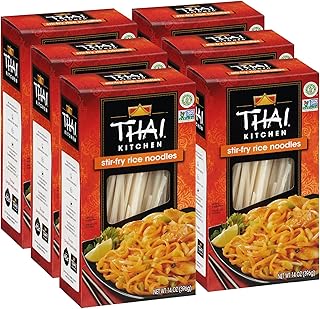
Thai Kitchen Gluten Free Stir-Fry Rice Noodles 14oz (Pack of 6)
Pad thai rice noodles - Thai kitchen noodles
VIEW LATEST PRICE

Rubbermaid Brilliance Food Storage Container Set
Airtight food storage containers - Rubbermaid Brilliance
VIEW LATEST PRICEHow to Make this Authentic Pad Thai

Getting this Pad Thai on the table is honestly way easier than you’d think, which is good because once you smell that sauce hitting the pan, you’re going to want to eat immediately.
Start by mixing together your sauce ingredients, all 6 tablespoons of fish sauce, 1/2 cup rice vinegar, 3 tablespoons tomato paste, and 1/2 cup sugar, and just set that bowl aside for now.
Then prepare your 8 ounces of rice noodles according to whatever the package says, but here’s the trick, leave them slightly al dente because they’re going to cook more in the pan later and nobody wants mushy noodles ruining their life.
Next up, scramble those 2 eggs in a large skillet or wok until they’re completely cooked through, and you can totally coat your pan with non-stick spray and season the eggs with a little garlic powder if you’re feeling fancy.
Once they’re done, pull them out and set them aside with everything else that’s patiently waiting.
Now add 2 1/2 tablespoons of canola oil to your pan, let it get hot, then toss in your 5-6 minced garlic cloves, 1/4 cup julienned baby carrots, and 4 ounces of sliced mushrooms, cooking them for about 2-3 minutes until everything smells amazing.
Pour in that sauce mixture you made earlier and give it a good stir to combine, then add your 5 chopped green onions, those scrambled eggs you set aside, 1/2 pound of cooked bite-size chicken pieces, 1/2 pound of cooked shrimp, and 3/4 cup of coarsely chopped peanuts.
Cook and stir for about 2 minutes until everything’s heated through and getting friendly with each other.
Finally, add your noodles and 4 ounces of bean sprouts, cooking for about 2 more minutes while you toss everything together like you’re conducting an orchestra.
If you’re making a bigger batch or want even heat distribution throughout, a premium dutch oven works beautifully for this recipe instead of a regular skillet.
Serve this beautiful creation with lime wedges for squeezing and crushed red pepper flakes on the side, because some people like their Pad Thai to have a little spicy attitude and some people, well, don’t.
Recommended Products


Simply Organic Curry Powder 3-Ounce Container
Simply Organic curry powder - Organic curry powder
VIEW LATEST PRICE
Spice Lab Achiote Paste 16oz Authentic Mexican Annatto Paste
Achiote paste - Annatto paste Mexican
VIEW LATEST PRICEAuthentic Pad Thai Substitutions and Variations
Look, I get it, sometimes you open your pantry expecting to find rice noodles and instead you’re staring at a bag of linguine wondering if your life has come to this.
Here’s the truth: you can swap rice noodles for spaghetti or fettuccine in a pinch. Tofu works brilliantly instead of chicken or shrimp, just press it first.
No fish sauce? Mix soy sauce with a tiny bit of Worcestershire. Want it vegetarian? Skip the meat, double the mushrooms, add some bell peppers.
Cashews can replace peanuts. The sauce is forgiving, your substitutions won’t ruin everything.
What to Serve with Authentic Pad Thai
When you’ve got a plate of Pad Thai sitting in front of you, tangled with noodles and peanuts and that sweet-salty-sour magic, you don’t technically need anything else.
But if I’m feeding a crowd, I’ll add some Thai spring rolls or fresh summer rolls on the side.
Maybe some cucumber salad with rice vinegar to cut through all that richness. A simple Thai basil chicken works too, though honestly, that feels like overkill.
Keep it light, keep it crisp, keep it invigorating. The Pad Thai is already the star here, everything else is just backup vocals.
Final Thoughts
After all this talk about fish sauce ratios and wok temperatures and whether your noodles are too mushy, here’s what actually matters:
Pad Thai isn’t some untouchable museum piece that only Thai grandmas in Bangkok can pull off correctly. It’s dinner. Your dinner.
And if you nail that sweet-salty-tangy balance and get some char on those noodles, you’re doing just fine.
Will it taste exactly like that street cart in Chiang Mai? Maybe not. But it’ll taste like really good Pad Thai, and honestly, that’s the whole point of cooking at home.